

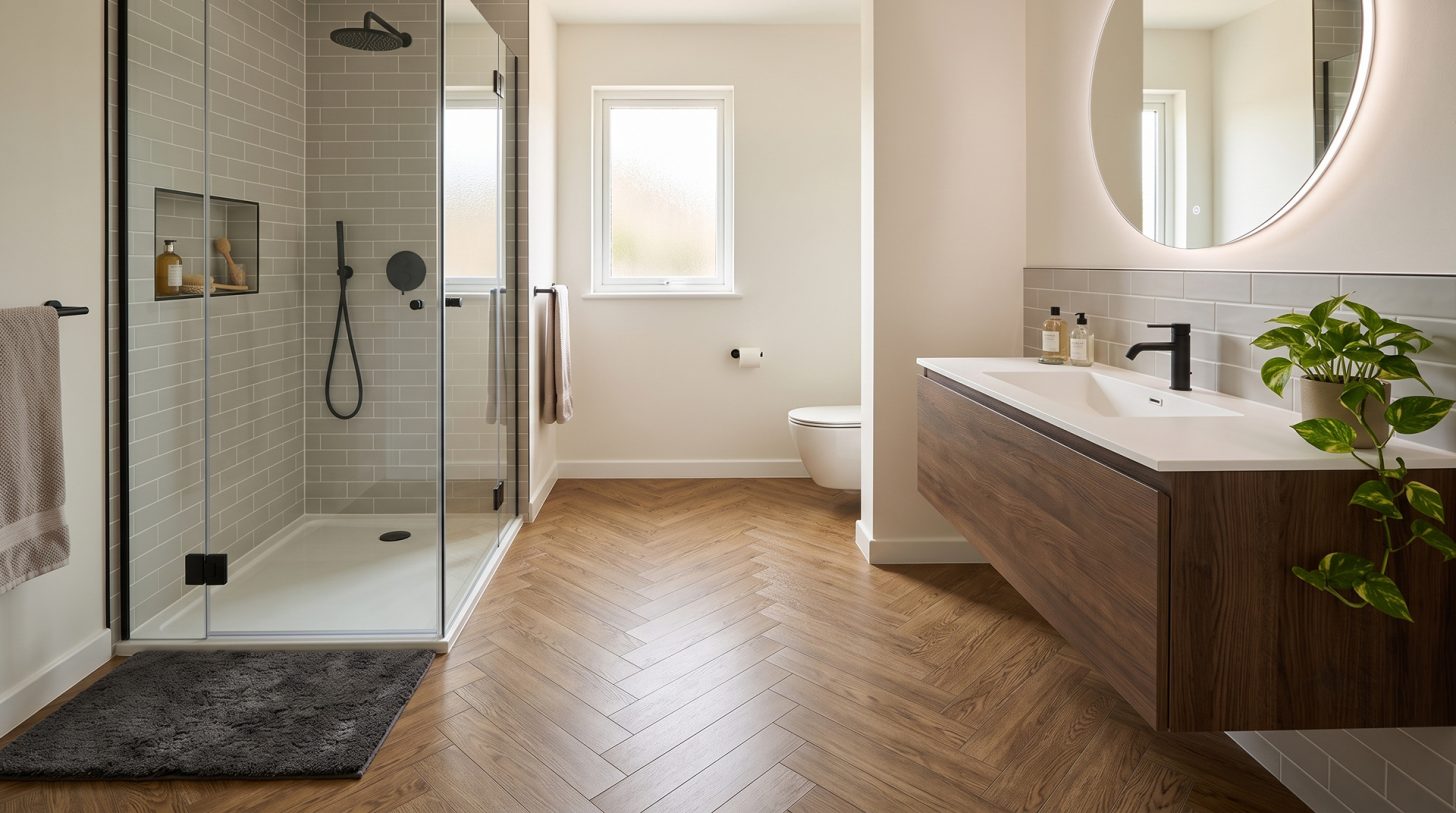
Choosing the right flooring for your home is one of the most important decisions you will make during a renovation, self build, or new build project. Your floor needs to look great, handle the demands of daily life, and last for years without looking worn out or dated.
For many homeowners across the UK, waterproof SPC flooring (Stone Plastic Composite) has become one of the most popular and dependable choices available.
Whether you are renovating a busy family home, fitting out a kitchen, upgrading a bathroom, or working on a commercial property, waterproof SPC flooring offers a practical solution that works in almost any room. Its ability to handle spills, moisture, and heavy foot traffic has made it a favourite alternative to luxury vinyl tiles (LVT), laminate, and real wood.
In this guide, we will explain what waterproof SPC flooring is, how the rigid core works, why people choose it over traditional options, and whether it is the right fit for your project.
Jump to section
What Is Waterproof SPC Flooring?
SPC stands for Stone Plastic Composite, though you might also hear it called Stone Polymer Composite. It is a type of rigid vinyl flooring made with a core of natural limestone powder, polyvinyl chloride (PVC), and stabilizers. This mineral blend creates a solid, heavy board that is completely waterproof and very stable.
Unlike flexible vinyl, glue down LVT, or standard laminate, SPC flooring has a rigid core. This solid base stops the boards from expanding, shrinking, or leaving gaps when the temperature or humidity changes in your home. It feels firm underfoot while recreating the look of natural wood, marble, or slate tiling.
To understand why this flooring lasts so long, it helps to look at how the boards are built. They are made of five main layers:
- UV Coating: A top surface treatment that stops the floor from fading in direct sunlight and makes it easier to clean away stains.
- Wear Layer: A clear, tough protective layer that defends the floor against scratches, pet claws, and marks from shoes.
- Decorative Layer: A high resolution printed film that copies the look of natural wood grains, herringbone patterns, or stone tiles.
- Rigid SPC Core: The middle section made from limestone and plastic composites, which gives the board its strength and waterproof protection.
- Underlay: Many boards come with a built in foam backing. This adds warmth, makes walking more comfortable, and reduces noise between floors.
When combined, these layers create a strong flooring system built to handle the daily routine of a busy household.
Why Waterproof SPC Flooring Has Become So Popular in the UK
Modern homes need flooring that is practical without sacrificing style. Waterproof SPC flooring finds that balance by offering a clean look that requires very little maintenance.
Families with children, pet owners, and busy households need a floor that can take some punishment. Muddy boots from winter walks, spilled drinks in the kitchen, and wet paw prints are much easier to deal with when your floor does not absorb moisture.
At the same time, flooring manufacturers have improved the printed designs and surface textures. Today’s boards feature realistic wood grains and textured finishes that match the printed pattern underneath. This makes it difficult to tell the difference between SPC vinyl and genuine timber or stone tiles, which explains why it is growing so quickly in the UK market.
Why People Choose Waterproof Flooring Over Traditional Materials
Many homeowners switch to SPC flooring after having expensive problems with older flooring materials.
Standard wood laminate contains a fiberboard core that soaks up water easily. If moisture gets into the joints, the boards will swell, lift up at the edges, and ruin the floor. Solid wood is just as sensitive to moisture, often warping or staining permanently after a spill. Carpet has obvious drawbacks too, since it traps dirt, holds onto pet smells, and takes a long time to dry out after a plumbing leak or accident.
Bathrooms, kitchens, hallways, and utility rooms are the hardest places to keep clean because high humidity and running water cause traditional floors to break down. Even a minor leak from a washing machine can lead to expensive repairs or a total floor replacement.
Waterproof SPC flooring removes that stress. Because the limestone core does not absorb water, everyday spills and household accidents will not cause structural damage. You get peace of mind knowing the floor is built for daily life while keeping your home looking clean and tidy.
Where Can Waterproof SPC Flooring Be Installed?
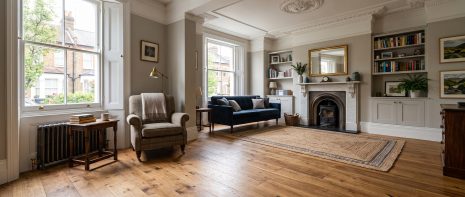
One of the biggest advantages of SPC rigid core flooring is how versatile it is. Because the boards do not shrink or swell and can handle constant moisture, you can fit them in almost every room of the house, including:
- Living Rooms: For a warm and clean wood look that is easy to vacuum.
- Kitchens: To handle dropped food, heavy pots, and regular foot traffic.
- Bathrooms: To resist steam, standing water, and splashes from the shower.
- Utility Rooms: To hold the weight of washing machines and deal with wet laundry.
- Hallways: To withstand muddy boots, umbrellas, and grit brought in from outside.
- Dining Rooms: To make cleaning up food spills and moving chairs simple.
- Bedrooms: To create a quiet surface that works really well with underfloor heating.
- Conservatories: To cope with hot summer sun and cold winter nights without warping.
- Home Offices: To support heavy rolling office chairs and desks without denting.
Many shops, offices, and hotels also use SPC flooring because it can take constant foot traffic without losing its finish.
Using the same floor throughout the ground level of your home is also a great way to open up the space. Running one continuous style through connected rooms makes smaller properties feel brighter, larger, and more unified.
Is SPC Flooring Really 100% Waterproof?
Yes. The limestone and plastic core inside high quality SPC flooring is completely waterproof from top to bottom.
Unlike wood laminates or engineered timber, the materials inside an SPC board will not soak up water, swell, or go soft. A sink overflow, wet coats, or pet messes will not cause the boards to buckle or rot.
However, even though the flooring boards are waterproof, you should still clean up puddles and major spills as soon as you see them. If water is left sitting for days, it can eventually work its way around the edges of the room or through the joints and get trapped underneath. Keeping the area dry protects your wooden joists or concrete subfloor from damp and mould
Durability That Easily Suits Modern Living
One of the main reasons people buy SPC vinyl flooring is how well it resists damage.
The top wear layer acts as a clear shield against the scrapes and knocks of daily life. SPC flooring is designed to handle:
- Heavy Furniture: The dense core stops heavy sofas, bookcases, and tables from leaving deep dents.
- Children: The surface withstands dropped toys, play kitchens, and heavy foot traffic.
- Pets: The protective coating resists scratches from dog and cat claws running down the hallway.
- Foot Traffic: The boards keep their color and finish even in busy walkways and entrances.
- Outdoor Grit: The tough top layer guards against small stones and dirt tracked indoors.
- Kitchen Drops: The solid limestone base stops the boards from chipping if you drop a mug or utensil.
No floor is completely scratch proof if you drag heavy sharp objects across it, but SPC vinyl handles daily wear much better than standard wood or budget sheet vinyl.
A Wide and Diverse Choice of Realistic Designs
Many people are surprised by how natural SPC flooring looks and feels once it is installed.
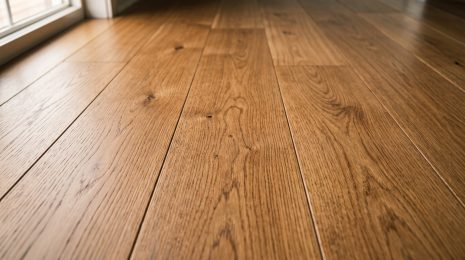
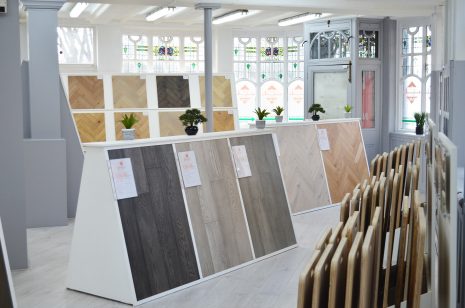
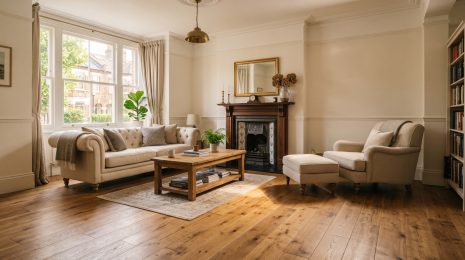
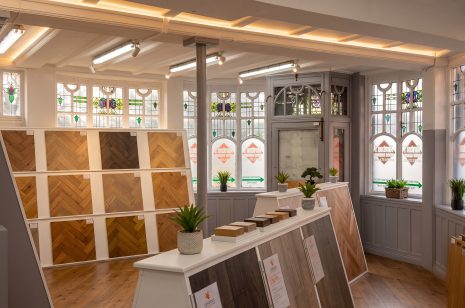
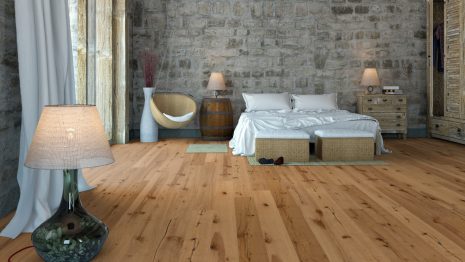
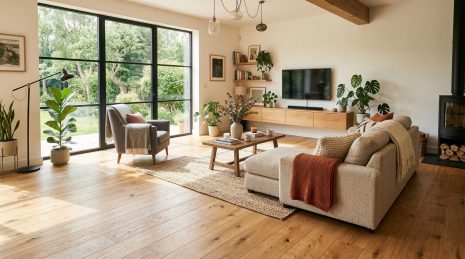
Whether you prefer traditional warm oak boards, grey wood, dark walnut, herringbone patterns, or concrete stone tiles, there is a design to match your style.
Modern printing methods allow manufacturers to match the physical texture on top of the board with the printed grain underneath. When you run your hand over the floor, you can actually feel the wood knots and grain lines. You get the look of natural timber or stone without the high price tag or ongoing maintenance.
Even though the limestone core is hard and dense, modern SPC floors are still comfortable to live with.
Most good quality boards come with a foam underlay already attached to the back. This backing layer provides a slight cushion that makes standing at the kitchen sink or walking around barefoot much easier on your joints than hard ceramic tiles or stone.
This attached underlay also acts as a sound barrier. It absorbs the noise of footsteps, heavy shoes, and pet paws. This makes walking across the room much quieter, which is a big help for busy family homes, upstairs bedrooms, and apartment buildings.
Easy, Hassle-Free Click-Lock Installation
Both DIY fitters and professional tradespeople like SPC flooring because the installation process is straightforward and clean.
Most SPC boards use a click lock fitting system. Each board clicks securely into the next one without needing messy glues, adhesives, or nails. You lay it as a floating floor directly over your prepared subfloor, which saves time and money compared to tiling or gluing down traditional vinyl.
While hiring a professional fitter guarantees a perfect finish, many homeowners find they can easily fit a room over a weekend with basic tools, provided the subfloor is flat and level.
Cleaning and Maintaining Your Waterproof SPC Flooring
One of the best things about SPC flooring is how easy it is to keep clean. Unlike real wood that needs sanding and oiling, or stone tiles that need grout sealer, SPC requires very little effort to look brand new.
To keep your floor clean, sweep or vacuum regularly using a soft brush attachment. This removes dust, grit, and pet hair that could scratch the surface over time. For a deeper clean, use a damp microfibre mop and a gentle floor cleaner made for vinyl.
Do not flood the floor with buckets of water when mopping. A damp mop cleans well and allows the room to dry in minutes. Always wipe up muddy paw prints and spills quickly so water does not sit near the skirting boards.
Avoid using scouring pads, bleach, strong acids, or steam mops. The high heat and moisture from a steam mop can eventually ruin the surface layers and damage the click joints. It is also a smart idea to put felt pads under sofa and table legs to stop furniture from scratching the floor when moved, and use doormats at your entrance doors to catch dirt and grit.
Is Waterproof SPC Flooring Suitable for Pets?
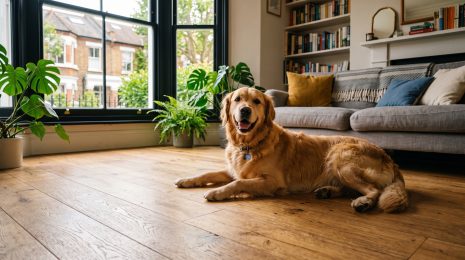
SPC flooring is one of the best flooring choices you can make if you have dogs or cats.
Because it is 100% waterproof, water bowl splashes, drool, and toilet training accidents are simple to wipe away. The boards will not absorb liquid, trap bad smells, or stain from pet messes.
The tough wear layer also gives good protection against sharp claws, keeping scratches to a minimum when dogs run around the house. We still recommend keeping your pets nails trimmed to help protect the surface.
Unlike carpets that trap loose fur, dust, and pet dander, SPC flooring lets you sweep up pet hair in seconds. This keeps your home smelling fresh and makes life much easier for anyone with allergies.
Is SPC Flooring Better Than Standard Laminate?
While both options are popular, waterproof SPC flooring has several long term advantages over standard wood laminate.
Laminate flooring uses a wood fiber core that is very sensitive to moisture. SPC has a limestone composite core that is completely unaffected by water or humidity. This means you can run the exact same SPC floor from your living room straight through into your kitchen and bathroom without worrying about water damage.
SPC is also much more stable than laminate when temperatures change. It does not expand or shrink nearly as much, making it a better option for rooms with large glass doors, conservatories, or areas with direct sunlight. Laminate is still a good budget choice for dry bedrooms, but SPC offers much better durability and waterproofing for busy areas of the home.
Is Waterproof SPC Flooring Worth the Investment?
Good quality SPC flooring usually costs slightly more upfront than basic laminate or cheap vinyl rolls, but most homeowners find that the lifespan and durability make it worth the money.
Because it resists water, scratches, and heavy impacts so well, you will not need to spend money replacing swollen boards or fixing water damage down the line. You get the clean look of real wood or stone without paying for floor sanding, varnishing, or specialized cleaning products.
If you want a dependable floor that balances style, easy maintenance, and long term value, waterproof SPC flooring is one of the smartest choices on the market.
Final Thoughts
Waterproof SPC flooring has changed what homeowners expect from a modern floor. By combining the natural look of wood and stone with a rigid, waterproof core, it provides a surface that looks great while handling the wear and tear of family life.
Whether you are updating a small bathroom, fitting out a new kitchen, or replacing the floors throughout your whole house, SPC flooring is a reliable choice. With its waterproof protection, realistic textures, simple cleaning routine, and strong scratch resistance, it is a great investment for families, pet owners, and busy homes.
When installed on a flat subfloor and cleaned with a damp mop, your SPC flooring will stay looking fresh and stylish for decades, giving you confidence that your floors can handle whatever daily life throws at them.
10 Pros of Waterproof SPC Flooring
- 100% Waterproof: Unaffected by water, making it ideal for kitchens, bathrooms, utility rooms, and hallways.
- High Durability: Strong protection against daily scratches, scuffs, and heavy foot traffic.
- Realistic Look: Modern printing and textured surfaces copy the authentic appearance of wood and stone.
- Easy Maintenance: Simple to clean using a soft broom, vacuum, and damp mop.
- Pet Friendly: Resists pet claws, spilled water bowls, and accidents without trapping fur or smells.
- Very Stable: The limestone core stops boards from expanding or shrinking during temperature changes.
- Click Installation: Easy to fit without glue or nails, saving time on installation costs.
- Quiet Underfoot: Built in foam underlay reduces walking noise and feels softer to stand on.
- Heating Compatible: Works safely and efficiently with modern underfloor heating systems.
- Long Lifespan: Built to last for decades in both busy homes and commercial spaces.
10 Cons of Waterproof SPC Flooring
- Firm Feel: The solid limestone core feels harder underfoot than thick carpet or cushioned vinyl.
- Wear Layer Differences: Cheaper budget boards have thinner protective wear layers that scratch more easily.
- Cannot Be Sanded: Unlike real wood, you cannot sand down or re-varnish the boards if they get deeply gouged.
- Subfloor Preparation: Needs a clean, flat, and level subfloor so the click joints do not bend or snap.
- Upfront Cost: Premium boards with thick wear layers cost more to buy than basic laminate or sheet vinyl.
- Heavy Dents: Extremely heavy appliances can still leave marks if you do not use protective felt pads.
- Hard to Repair: If a board in the middle of the room gets damaged, you usually have to unclick the floor from the wall to replace it.
- Noise on Budget Boards: Cheap boards without a good quality underlay can sound clicky or hollow when walked on.
- Sun Fade: Years of intense direct sunlight in south facing rooms can cause minor fading over time.
- Subfloor Moisture: While the boards are waterproof, standing water left at the room edges can still seep down and damage the concrete or timber underneath.