

Choosing a new wooden floor is about much more than just picking the right wood species or colour. One of the most important factors that affects both how your floor looks and how much it costs is the grading of the timber. Whether you are buying oak, ash, walnut, or another type of hardwood, understanding wood flooring grades will help you make the right choice for your home, renovation, or commercial project.
Wood flooring grades do not measure the quality or strength of the timber. Instead, they describe the natural appearance and visual features of the wood. Every single plank is made from real timber, and each one has its own unique grain patterns, knots, and colour variations. Grading simply sorts these natural features into different categories, helping you know what to expect when your finished floor is installed.
Across the world, manufacturers use different grading systems. European and Chinese producers often use the ABCDEF grading system, while American hardwood flooring commonly follows grades such as Rustic, Select, Select and Better, and Clear. Understanding how these systems compare makes it much easier to choose the right wood flooring for your space.
Jump to section
What Is Wood Flooring Grading?
Wood flooring grading is a standard way of sorting timber planks based on how they look. During the manufacturing process, individual boards are carefully checked by eye and grouped together according to natural features such as:
- Knot size and frequency: The amount of open, filled, or healthy knots across the board.
- Grain pattern: Whether the wood grain is straight, swirling, or wavy.
- Colour variation: The natural difference in colour between boards of the same wood species.
- Natural mineral streaks: Darker lines caused by mineral deposits the tree absorbed from the soil as it grew.
- Sapwood content: The lighter and younger outer wood from the tree trunk.
- Small surface marks: Naturally occurring minor surface markings or tiny splits.
These features are completely natural and happen as trees grow over the years. A floor with more knots is not weaker or less durable than one with fewer knots. In almost every case, all wood flooring grades are cut from the exact same good quality timber and go through the same production process.
The grading system simply lets buyers choose the specific look and style that best fits their interior design project.
Why Wood Flooring Grades Matter for Your Project
The grade of your flooring has a big impact on the finished look of a room. It sets the overall tone, texture, and feel of your living space.
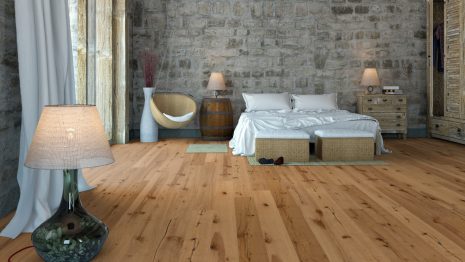
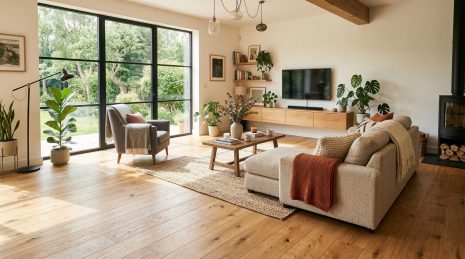
Some homeowners prefer a clean and contemporary floor with very little variation between boards to create a simple, modern look. Others want a floor that shows off the natural timber with large knots, bold grain patterns, and plenty of rustic character.
Understanding the grading system helps you avoid surprises when your flooring arrives on site. Every grade creates a different visual effect, even when the timber species, plank dimensions, and surface finish are exactly the same.
Price is also linked to grading. Cleaner and more uniform grades are usually more expensive because fewer boards from any tree meet those strict appearance standards. Character and rustic grades are often more affordable and budget friendly, as a larger percentage of the tree can be used during production, which reduces waste.
Comparison of Flooring Grading Systems at a Glance
To make your decision easier, this table compares how different grading systems relate to one another in terms of visual character:
| Grade Level | Chinese/European System | American Standard | UK / Industry Common Term | Visual Characteristics |
| Ultra-Clean | Grade A | Clear | Prime / Premium | Virtual absence of knots; highly uniform colour and straight grain. |
| Clean & Refined | Grade B | Select | Select | Very small knots; minimal colour variation; clean but natural. |
| Balanced | Grade C | Select & Better / No. 1 Common | Natural / Classic | Moderate knots; appealing colour variations; classic wood look. |
| Character-Rich | Grade D | No. 1 Common | Character | Larger filled knots; visible sapwood; distinctive natural grain. |
| Rustic & Bold | Grade E / F | No. 2 Common / Rustic | Rustic / Tavern | Large, frequent knots; heavy colour contrasts; maximum natural charm. |
Understanding the Chinese ABCDEF Wood Flooring Grading System
Many engineered wood flooring manufacturers in China and parts of Europe use an alphabetical grading system ranging from A through to F. Some manufacturers combine grades, such as AB or CD, or use slight variations, but the overall rules remain very similar.
Grade A
Grade A is the cleanest and most uniform appearance grade available. Boards have very few, if any, tiny knots, minimal colour variation, and very straight grain patterns. Any natural features present are small and hard to notice.
This grade is popular in modern homes where a clean, consistent, and tidy look is preferred. Grade A flooring usually has one of the highest prices because relatively few boards meet this strict visual standard.
Grade B
Grade B still offers a clean and simple appearance but allows slightly more natural character to show through. Small and healthy pin knots may be visible along with gentle, warm colour differences between individual boards.
Grain patterns become slightly more noticeable while keeping a tidy overall look. Many homeowners choose Grade B because it strikes a good balance between natural organic charm and a neat appearance.
Grade C
Grade C introduces noticeably more visual character and texture into the floor. Knots become larger and more frequent across the boards.
Natural colour variation increases across the room, and the grain patterns become more distinct and swirling. Natural mineral streaks and occasional sapwood may also appear. This versatile grade works well in both traditional and modern interiors that embrace the natural look of real timber.
Grade D
Grade D is widely considered a true character grade. With this option, you should expect larger knots, greater variation in overall colour, and more visible grain movement.
Professionally filled knots are common and add to the charm, meaning every single board displays its own individual look. Many homeowners like this style because it honestly shows the natural growth and history of the tree.
Grade E
Grade E allows for significant natural variation and rustic charm. Large knots, prominent grain, clear colour differences, and natural markings are all accepted within this grade.
No two boards are likely to look the same, creating a distinctive and textured finished floor. This grade is ideal for rustic interiors, country cottages, barn conversions, and older properties aiming for a traditional heritage appearance.
Grade F
Grade F is the most natural, raw, and character rich grade available in this system. The boards often contain numerous large, filled knots, bold grain patterns, and substantial colour variation.
This creates a striking floor with maximum visual interest. Many manufacturers use Grade F when producing distressed or rustic wood floors, where the focus is on showing the wild natural character of the timber rather than creating a uniform look.
American Wood Flooring Grades
In the United States, hardwood flooring manufacturers use grading rules based on the appearance of the finished timber. While specific grade names can vary slightly from mill to mill, several standard grades are widely used across the flooring industry.
Clear Grade
Clear Grade is seen as the top appearance grade in American timber. Boards are carefully sorted to keep knots, colour variation, and growth marks to a minimum.
The grain is usually straight and very even, creating a smooth and uniform floor. This grade is often chosen for modern homes, executive offices, and contemporary spaces where a clean finish is needed.
Select Grade Wood Flooring
Select grade wood flooring offers a practical balance between consistency and natural character. Small, tight knots and minor colour variations are accepted, but the overall appearance stays neat and polished. The grain is attractive without being too bold or distracting.
This grade is one of the most popular choices for homeowners because it provides the look of genuine timber while keeping a tidy appearance. It works well in busy living rooms, dining areas, and large open plan spaces.
Select and Better
Select and Better combines the top features of Select Grade with Clear Grade. Manufacturers include high quality boards from both categories in these batches. This creates flooring with very few knots and even colouring across the boards.
Many hardwood ranges are sold as Select and Better because it offers a clean appearance while making efficient use of the timber. For buyers looking for a smart and uniform floor, this is often the ideal option.
No. 1 Common Grade
No. 1 Common Grade introduces a much more natural and varied look. Knots are larger and appear more often, colour differences between planks are wider, and the grain patterns are more noticeable.
The floor develops a warmer, lived in appearance while staying welcoming and tidy. Many family homes and traditional properties use this grade because it feels inviting and full of character.
No. 2 Common Grade
No. 2 Common Grade contains even more variation and rugged charm. Larger knots, stronger grain patterns, and wider colour differences are expected across the boards.
Rather than aiming for a uniform look, this grade highlights the differences in each plank. It is often chosen for projects where a traditional feel, warmth, and natural texture are more important than a clean, modern finish.
Rustic Wood Floors
Rustic wood floors have grown in popularity, becoming a popular choice for both modern and traditional properties.
Rather than viewing knots, sapwood, and colour variation as flaws, rustic flooring treats these features as desirable design elements. Every plank shows the natural growth of the forest where it grew.
Rustic flooring usually contains a lively mix of:
- Large and professionally filled knots
- Noticeable and swirling grain patterns
- Clear and natural colour variation
- Natural mineral streaks and dark lines
- Visible growth rings and sapwood
- Small natural surface marks and hairline cracks
These features create warmth, texture, and depth that cannot be matched by artificial laminate or luxury vinyl tile flooring.
Rustic flooring works well in country cottages, barn conversions, farmhouse kitchens, industrial loft apartments, and modern homes looking to add natural texture to soften clean design lines.
Prime Grade Wood Flooring
Prime grade wood flooring is another standard term used within the UK and European flooring industry.
Although exact definitions can vary slightly between manufacturers, Prime Grade generally refers to timber with a very clean, neat, and consistent appearance. It often sits alongside Clear or Select grades depending on how the manufacturer sorts their boards.
Prime Grade flooring usually contains:
- Very few tiny pin knots, if any at all
- Consistent and even colouring
- Straight and clean grain lines
- Very little natural colour variation
- A tidy and simple visual appearance
This makes it a great choice for contemporary interiors, city apartments, and commercial spaces where a uniform finish is preferred.
Which Wood Flooring Grade Is Best for Your Home?
There is no single best wood flooring grade. The right choice for your project depends entirely on your personal taste, interior design style, lifestyle, and budget.
Design Tip: If you enjoy clean, modern, and simple interiors with sharp lines and neutral colours, prime grade or select grade wood flooring may be your ideal match. If you prefer natural character and a warmer feel, rustic wood floors offer far more personality and organic texture.
Families with active children and pets often choose rustic or character grades. This is because everyday wear, minor scratches, and scuffs blend naturally into the existing character and texture of the timber, helping the floor look good for longer.
Does Wood Flooring Grade Affect Durability?
This is one of the biggest and most common misunderstandings among flooring buyers.
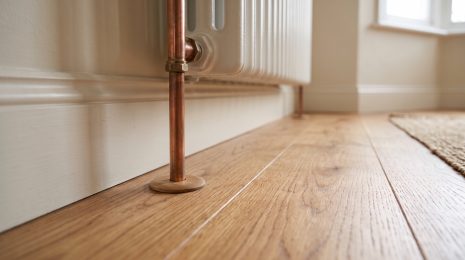
Wood flooring grades describe visual appearance only. A rustic grade oak floor and a prime grade oak floor can have the exact same density, thickness, board construction, wear layer, hardness, and durability.
Provided they are made from the same timber species, manufactured to the same technical standards, and finished with the same protective oils or lacquers, both will perform equally well over the years. The only difference is how the boards look to the eye.
Expert Tips for Choosing the Right Wood Flooring Grade
Before buying your new floor, consider these professional tips to ensure you get the look you want:
- Match your interior style: If your furniture and decoration are simple and modern, cleaner grades often create a calm and spacious feel. If your home features natural materials, exposed brick, timber beams, or traditional furniture, character and rustic grades usually suit the space better.
- Look at multiple sample boards: Always ask to see several sample boards or high resolution room photos rather than relying on one small hand sample. Real wood naturally varies, and viewing several planks together provides a much better idea of the overall colour and knot variation across a room.
- Consider the lighting: Room size, natural daylight, and finish colours all influence how the flooring grade will look once installed. Large and bright rooms handle rustic grades well, while smaller or darker rooms often benefit from the clean and light consistency of prime grades.
Conclusion
Wood flooring grades are designed to help buyers choose the visual appearance they prefer rather than measuring the actual structural quality of the product. Whether your chosen flooring has almost no knots or is full of natural character, it remains genuine hardwood with its own timeless look.
The Chinese ABCDEF grading system and the American grading system both group timber according to its natural visual features. Once you understand how each grade differs, selecting the right flooring for your renovation project becomes much simpler.
Whether you choose clean prime grade wood flooring, versatile select grade wood flooring, or traditional rustic wood floors, your decision should reflect the style you want to create in your home, rather than the common misunderstanding that one grade is stronger or longer lasting than another.
Frequently Asked Questions
1. What does wood flooring grade actually mean?
Wood flooring grade refers to the natural visual appearance of the timber planks, including the size and frequency of knots, grain patterns, colour variation, and other natural features. It does not indicate the structural strength, quality, or durability of the floor.
2. Are rustic wood floors lower quality?
No. Rustic wood floors are made from the exact same good quality timber as cleaner grades. They simply contain more natural features, such as larger filled knots, noticeable grain swirls, and clear colour variations.
3. What is the difference between Prime Grade and Select Grade?
Prime Grade generally contains fewer and smaller knots and more even colouring throughout than Select Grade. Select Grade allows for slightly more natural variation and small pin knots while still keeping a neat and refined appearance.
4. Is select grade wood flooring suitable for modern homes?
Yes, absolutely. Select grade wood flooring is one of the most popular choices for contemporary and modern interiors because it combines a clean appearance with subtle and natural character.
5. Which wood flooring grade is the most expensive?
Clear Grade and Prime Grade are usually the most expensive options because a much smaller percentage of any harvested tree meets their strict and knot free visual requirements.
6. What is Grade F flooring?
Grade F is the most character rich and rustic grade in the Chinese and European ABCDEF system. It typically includes large filled knots, bold grain patterns, visible sapwood, and clear natural colour variation.
7. Does grading affect the lifespan of wood flooring?
No. Grading relates entirely to looks. Floors of different grades will have the exact same lifespan and durability if they share the same wood species, construction type, installation quality, and protective finish.
8. Which flooring grade hides scratches best?
Rustic wood floors tend to disguise everyday scratches, pet claws, minor dents, and general wear much more effectively, as the natural variation and texture of the wood already mask small marks.
9. Why do different manufacturers use different grading names?
There is no single worldwide grading standard. Manufacturers may use Chinese, European, or American grading systems, and some brands even create their own marketing names while still following these same basic rules.
10. Should I choose rustic or prime grade flooring?
If you prefer a warm, natural, and traditional look with plenty of character, rustic flooring is a great choice. If you want a clean, modern, and uniform appearance with minimal knots and even colour, prime grade flooring is likely to suit your style best.